


Blog
The Wedding Suit and the Carry Decision
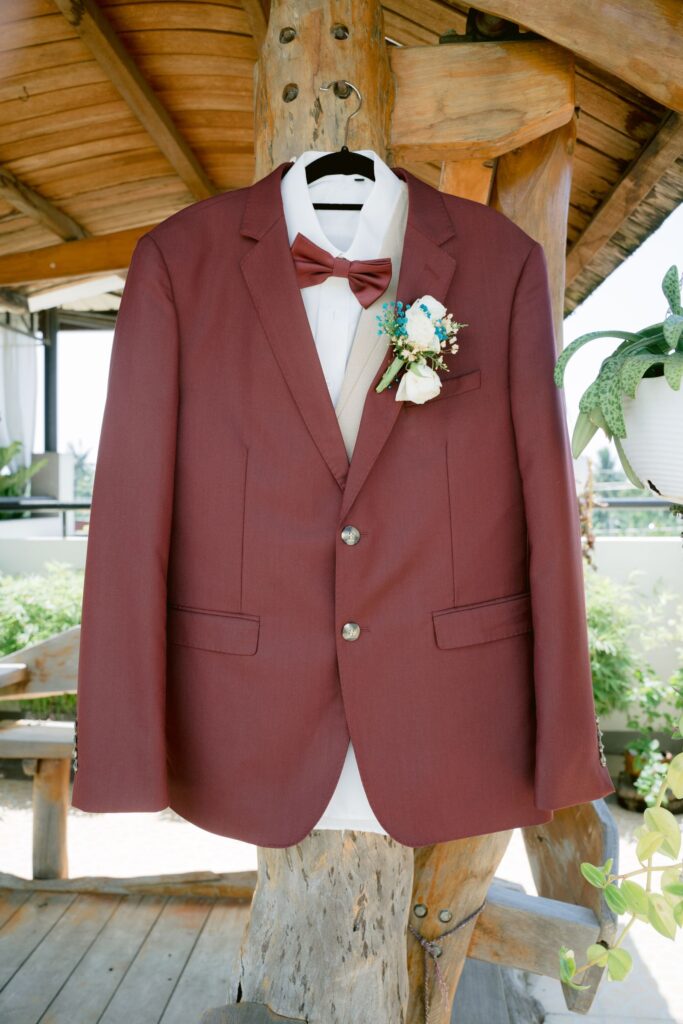
The suit has been fitted, but the fitting may never have included the equipment you intend to wear underneath it. Moss’s guide to suit cuts distinguishes room at the waist, seat and thighs, which makes the carry question part of deciding whether the outfit fits the person attending this particular wedding.
A tucked shirt brings the attachment into that fitting question. Vedder describes the LightTuck’s tuckable clip as a design feature, but that description still leaves you to establish how the trousers, belt and shirt work together; a product name isn’t a fitting appointment.
Raise those requirements before the last opportunity for alterations. Nordstrom’s suiting service separates measurement and final adjustments, a useful reminder to ask a tailor about space and shop policies while changes are still possible rather than arriving with an unexpected equipment problem.
The outfit also has to fit the reception, when you may spend hours sitting and moving. Moss’s explanation of tailored and regular fits describes different room for movement; plan around the ceremony and the evening that follows, because the flattering pose in the mirror is only a moment of the event.
The reception’s rules may settle the carry decision before fit does. Maine’s statute on firearms in licensed establishments addresses possession under the influence and posted prohibitions, and says a concealed-carry permit is no defense to those violations; the wedding’s own jurisdiction needs checking rather than importing this example as a national rule.
If drinking is part of your plan, decide ahead of time how you will arrange lawful, secure storage and whether you will carry at all. The Maine provision shows how the premises and the evening’s plans can intersect, leaving the useful wedding decision the one that lets you participate without improvising halfway through the celebration.
Illustrative stock photo. Photo by Garley Gibson on Pexels — Photo source.