


Blog
Wes Siler on the Work That Starts With Your First Gun
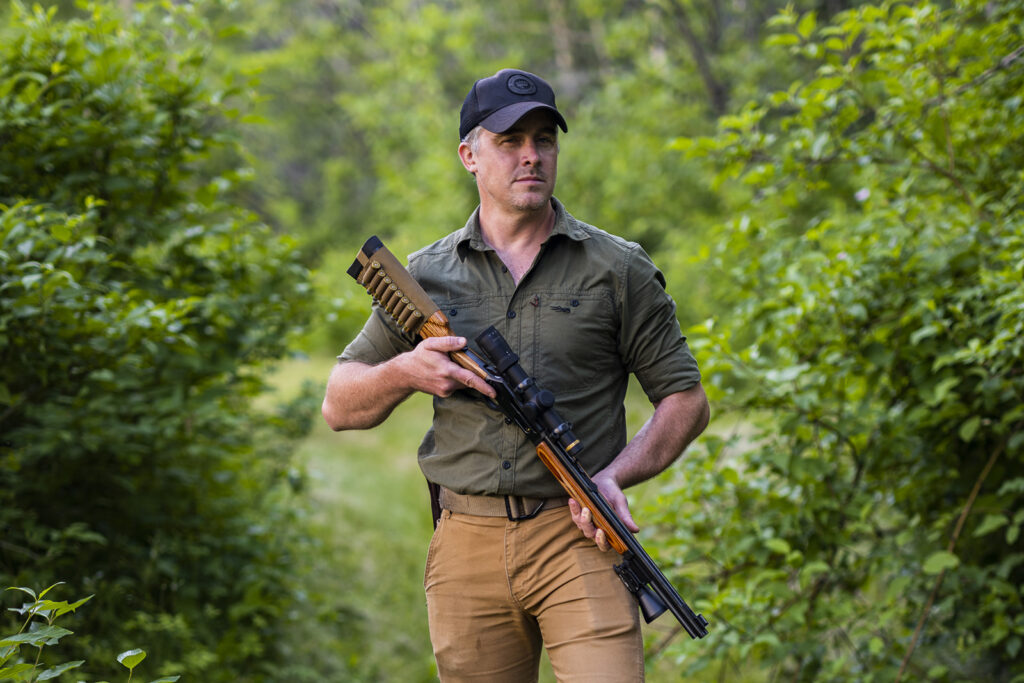
Photo: Stuart Palley, supplied by Wes Siler.
The writer’s advice to new owners connects the budget for learning with the people who help keep you accountable.
A gun safe is an awkward thing to leave out of a gun budget. It’s the part you’ll depend on when you’re doing something other than using the gun.
Wes Siler includes secure storage and supporting equipment in his first-gun guide, and when TRIGRD asked what new buyers tend to underestimate, his answer went beyond the shopping list: buying the object begins a responsibility you’ll keep working on.
“Everyone’s so used to the instant gratification inherent in modern consumer culture,” Siler wrote in his October 12 email interview. “But gun ownership shouldn’t just be a purchase, it should be something you embark into with an understanding that the object itself is just one part of a beginning, and an expectation that its a world you’re going to need to keep developing competency in for the rest of your life.”
That changes what it means to afford one. “Budget accordingly,” Siler wrote.
“You’ll need training, a gun safe, a way to safely store a gun in your vehicle, ammunition, a way to comfortably and safely carry a gun in the field (likely a number of ways actually, heavily depending on firearm type, clothing, weather, local rules, laws and mores, etc), a sighting system, and probably some basic modifications to the firearm itself to help it fit you and shoot well.”
The list sets out the supporting costs in Siler’s approach to ownership, including instruction and secure storage before the gun comes home.
“And that’s just as you’re getting started!” he wrote.
It’s easy to count what can go in a shopping cart and harder to count the time you’ll need to learn. A budget that leaves room for equipment but none for instruction has missed a large part of what Siler is asking a new owner to take on.
You can buy the gun once; you’ll have to keep making room to learn about it.
That learning also depends on what experienced owners make possible for someone arriving without a family history around firearms. In his overlanding article, Siler describes telling his companions when he’s making a firearm safe, so they know what he’s doing and are reminded to do the same.
The communication makes an individual decision visible to the people sharing the trip. When TRIGRD asked how that kind of accountability could feel normal and welcoming for a beginner, Siler put the responsibility on owners at every level of experience.
Siler wrote, “Setting a good example is a responsibility for any gun owner at any experience level. And safety is best achieved as a group project.”
“Communicating clearly with other gun owners at the range, in the field, or anywhere else is not just an opportunity to make sure everyone else is being as safe as possible, it’s a good chance to make sure you’re following through with you own best practices too,” Siler wrote. The experienced person has something to learn here too.
That’s a useful answer to the question of who gets to ask questions. If experienced owners explain their decisions and make their own habits open to discussion, a beginner has a way into the conversation before they know enough to lead it.
Knowing less becomes a reason to talk through the work. It shouldn’t become a reason to leave someone outside it.
Siler extends that connection between an owner and a larger group to conservation. Asked what a new owner could contribute before ever hunting, he pointed to the funding system many purchasers don’t realize they already help support.
The U.S. Fish and Wildlife Service explains that manufacturer taxes on firearms and ammunition support the Pittman–Robertson Wildlife Restoration program, which provides grants to state and territorial wildlife agencies. Those grants fund habitat work and research, as well as hunter education and shooting ranges.
The tax details deserve care: the Alcohol and Tobacco Tax and Trade Bureau lists rates of 10 percent for pistols and revolvers and 11 percent for other firearms, shells and cartridges, based on the taxable sale price. This is a manufacturers’ excise tax, rather than a uniform 11 percent charge added to every buyer’s retail receipt.
That gives someone who shoots but hasn’t hunted a concrete connection to wildlife work. It also gives them a reason to understand what the money supports, rather than treating another purchase as the whole of their contribution.
The budget and the group conversation come back to the same question: what are you taking responsibility for when you become an owner? Siler’s answers make room for a beginner, but they ask experienced people to keep doing the work alongside them.
For a new owner, that means planning for instruction and storage before the purchase and finding people who will explain their decisions. For an experienced owner welcoming them, it means being willing to explain yours.